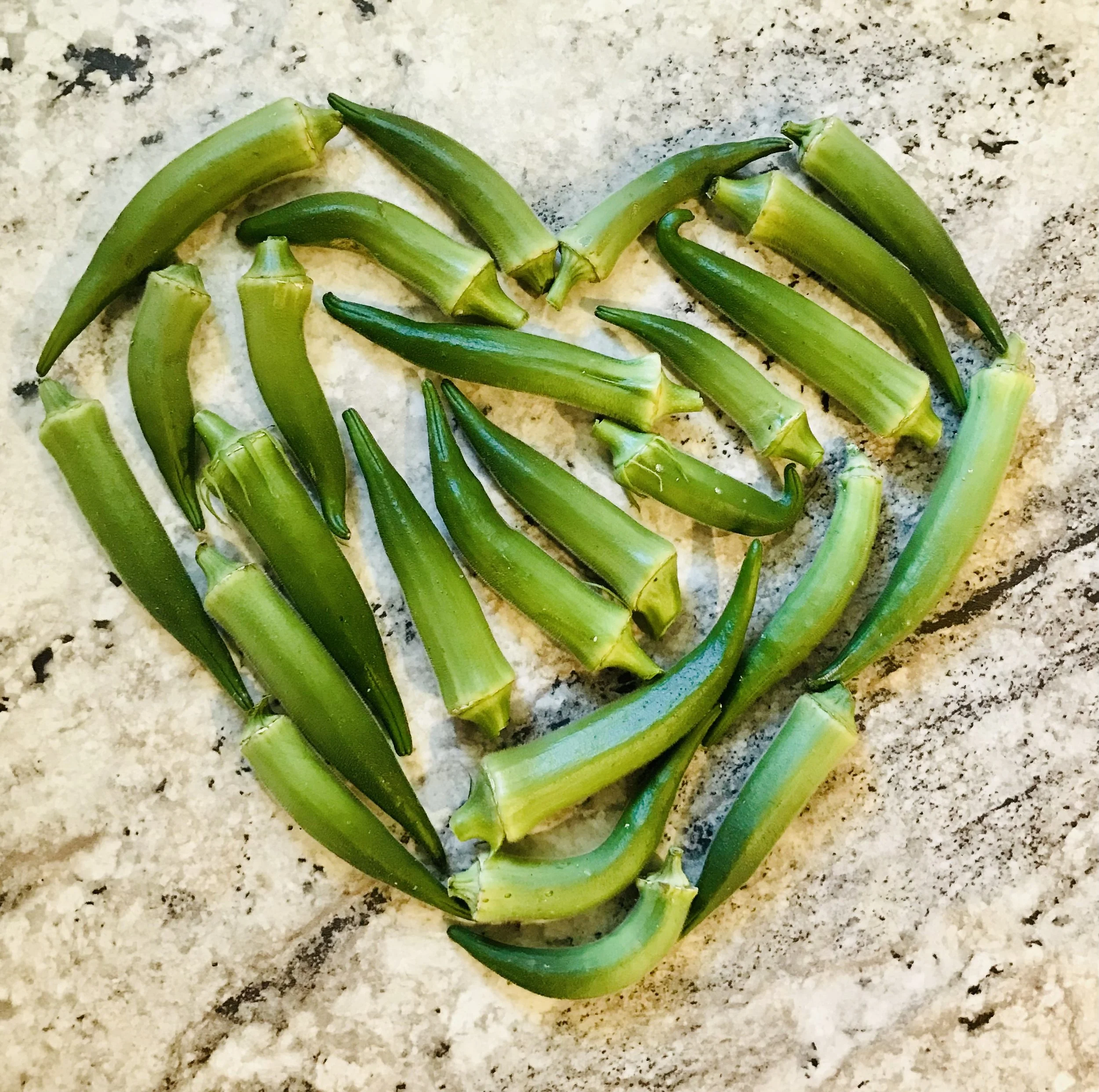
Okra
-
Congratulations on your new okra plant! Okra is one of the best vegetables you can grow in Phoenix— it is a true heat lover that thrives in the desert summer when most other vegetables have called it quits.
Try to plant it within 3 -5 days of bringing it home.
Okra grows well in either a garden bed or a pot. If going the container route, use a minimum 5-gallon pot (roughly 12 inches wide and deep)
Okra plants can grow 4–6 feet tall and need room for a deep, strong root system.
-
Okra is one of the most heat-tolerant vegetables you can grow anywhere — and in Phoenix that makes it a superstar. It thrives between 85–105°F and keeps producing through the hottest months of the year.
-
Okra needs a minimum of 7 to 8 hours of sun per day and handles full all-day Phoenix sun with ease. Give it your sunniest spot — the more sun it gets the better it will produce.
July and August heat can cause okra to wilt and droop in the middle of the day — but this is nothing to worry about. It is simply the plant responding to extreme heat. Check on it in the evening and if it has perked back up, your plant is healthy and happy.
During these extreme heat months make sure you are watering more frequently to help your plant stay hydrated and continue producing through the hottest part of the season.
-
FIRST 3–4 DAYS AFTER TRANSPLANTING
Water deeply every day right after planting to help roots recover from transplant stress and get firmly established. Don't skip a day during this window — giving your okra a strong start sets the foundation for a long productive season.ONGOING CARE
Once established, okra is more drought tolerant than most vegetables but still performs best with deep watering every 3 days in Phoenix heat. Check 2–3 inches down — if dry, water.Always water at the base of the plant in the early morning or late evening. Consistent watering produces better quality pods and keeps the plant producing longer into the season.
-
RECOMMENDED SOIL MIX
For best results use a blend of potting soil (garden soil), compost, and a small amount of sand. The potting soil provides a nutrient-rich base, the compost feeds the plant and improves moisture retention, and the sand ensures good drainage. Even if you just mix potting soil and compost together you are already setting your plant up for success.
Ideal mix:
• 60% potting soil or garden soil
• 30% compost
• 10% coarse sand -
Good Neighbors: Sunflowers — attract bees and beneficial pollinators that improve okra pod set.
Peppers — thrive in the same hot dry conditions as okra and make excellent garden bed companions without competing aggressively for nutrients.Bad Neighbors: Squash and pumpkins — spread out aggressively and can crowd okra, competing heavily for water, nutrients, and space.
-
Stake tall varieties — okra can grow 4–6 feet tall and benefits from a sturdy stake to keep it upright, especially once it gets heavy with pods. Use a stake and twine tied loosely so it doesn't constrict the stem.
-
Okra produces beautiful large flowers — creamy yellow with a deep red center — before the pods appear. Each flower opens for just one day and is self-pollinating, though bees visiting the flowers improves pod set.
A pod forms right where each flower was — once you start seeing flowers, your first pods are only days away. In Phoenix heat the transition from flower to harvestable pod happens very fast.
-
Expect your first pods 50–60 days after transplanting. In Phoenix heat production ramps up quickly once it starts — check the plant every day once pods begin forming.
Harvest pods at 3–4 inches for the best flavor and tenderness. Pods left on the plant get tough and woody very quickly in the heat — when in doubt pick early.
Tough woody pods: The most common okra mistake — pods left on the plant even one or two days too long become fibrous and inedible.
Pick often — consistent harvesting signals the plant to keep producing. Leaving mature pods on the vine tells the plant it is done for the season and production will slow down.
Use gloves or wash your hands after harvesting — okra pods and leaves have tiny spines that can cause skin irritation and itchiness, especially on sensitive skin. This catches a lot of people off guard.
Cut pods from the stem with scissors or a sharp knife — don't pull or twist as this can damage the plant.