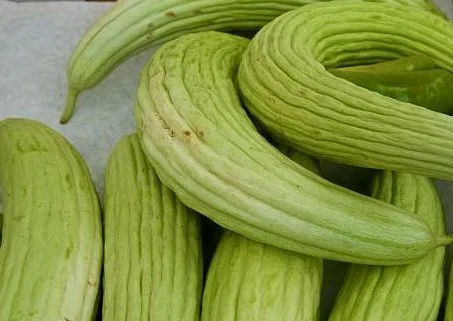
Armenian Cucumber
-
Congratulations on your new Armenian cucumber plant! Despite its name, Armenian cucumber is technically a muskmelon — but it grows, tastes, and is used just like a cucumber, and it is hands down one of the best choices for Phoenix gardeners. Unlike standard cucumbers, Armenian thrives in intense heat and can keep producing well into summer when regular cucumbers have long given up.
Try to get it into the ground within 3 days of bringing it home. Armenian cucumber grows well in either a garden bed or a pot. If you will be using a pot - use a 10-gallon pot. Armenian is a vigorous grower and more root space means a healthier, more productive plant — especially important in Phoenix where smaller pots heat up and dry out fast.
-
This is where Armenian truly shines. While standard cucumbers stop producing above 100°F, Armenian keeps going strong in temperatures of 105–110°F and beyond. It is one of the most heat-tolerant vegetables you can grow in Phoenix, making it an excellent summer producer.
-
Armenian cucumber needs a minimum of 7 to 8 hours of sun per day to thrive — full sun all day is ideal once the plant is established. That said, if your only option is a spot with afternoon shade, Armenian will still perform well — it is forgiving and adaptable. East-facing placement with morning sun and afternoon shade works fine if full sun is not available.
-
FIRST 3–4 DAYS AFTER TRANSPLANTING
Water deeply every day right after planting to help the roots recover from transplant stress and get firmly established. Don't skip a day during this window — even this heat-tolerant variety needs consistent moisture to get a strong start.
ONGOING CARE
Once established, Armenian cucumber is somewhat drought tolerant but still benefits from deep watering every 2 –3 days in Phoenix heat. Check 2 inches down — if dry, water.Always water in the early morning or late evening at the base of the plant. Drip irrigation is ideal.
-
For best results use a blend of potting soil (garden soil), compost, and a small amount of coarse sand. The potting soil provides a nutrient-rich base, the compost feeds the plant and improves moisture retention, and the sand ensures good drainage.
Don't stress if you can't get all three — even a good mix of potting soil and compost will give your plant a solid foundation to thrive.
Add a light layer of mulch (straw or wood chips) over the soil surface. It helps slow moisture loss between waterings.
-
Good neighbors: Sunflowers — attract bees and beneficial pollinators.
Beans — fix nitrogen in the soil which feeds heavy feeders like Armenian cucumber and improves overall soil health.Bad neighbor: Sage — releases natural compounds into the soil that can inhibit growth and reduce your harvest.
Other cucurbits (standard cucumbers, squash, melons) — planting too close encourages shared pests and diseases. -
A tall, sturdy trellis is highly recommended — Armenian cucumber is a vigorous climber with vines that can reach 10–15 feet. Use a trellis that is at least 6 to 7 feet tall.
Train vines regularly — guide new growth onto the trellis every few days, especially early in the season. Armenian grows fast and will sprawl if left unattended.
-
Male flowers appear first — don't be alarmed when the first flowers don't set fruit. Male flowers show up before female flowers and that is completely normal.
Female flowers have a tiny baby cucumber at the base — once those appear and get pollinated, fruit develops quickly.
Plant flowers nearby to attract bees and help with pollination — more pollinators means better fruit production.
-
Harvest at 12–18 inches for the best flavor and texture. However, you can also pick even earlier around 10 inches for a more tender fruit. Armenian grows extremely fast in Phoenix heat — check the plant every single day once fruit starts forming.
Don't let them get too large — Armenian left on the vine too long becomes seedy, develops a tougher skin, and signals the plant to slow down from producing more. When in doubt, pick early.
Cut from the vine with scissors or a sharp knife — don't pull or twist as this can damage the vine and slow production.
Expect to harvest first fruits in 55-65 days after transplant.